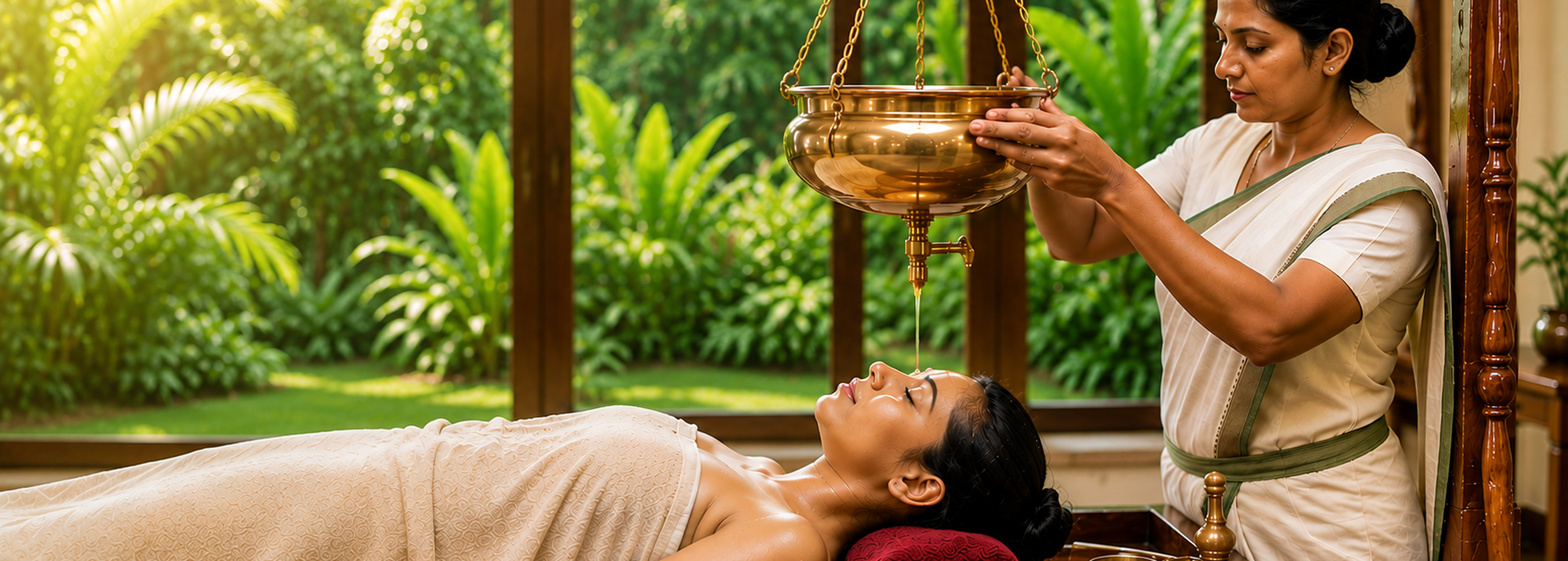
Delivering exceptional healthcare through a holistic and integrated approach makes Ayurveda an excellent choice. For beginners, Ayurvedic Panchakarma is an ancient five-step natural therapy that cleanses the body of toxins and rejuvenates the body and mind. The Ayurvedic Panchakarma therapy is not common, but varies from person to person. It involves the role play of five basic elements, namely air, water, earth, ether, and fire. The ideal combination of these elements forms the three doshas – Vata, Pitta, and Kapha. While the dosha balance indicates optimum health, dosha imbalances trigger ailments, which call for treatment.
The Significance of Panchakarma Therapy
Modern-day existence comes with its plus and minus. The speedy life has also made our bodies more prone to pollutants, chronic stress, continuous screen browsing time, and sedentary lifestyles. Clinical therapies aim at surface cleansing, which is actually nothing but temporary relief. It upsets the body’s constitution and creates room for imbalances and toxins. Panchakarma therapies remove undigested toxins (ama) from the body and strengthen the digestive fire, giving your body a balance of much-needed detoxification and a metabolic change.
The Five Panchakarma Cleansing Methods
Most of you may ask where to go for Panchakarma therapy? Ayurvedic Panchakarma Treatment in Palakkad provides the best location and experience for the same.
Panchakarma means five actions or treatments. Let us know about Panchakarma’s five cleansing procedures targeting dosha imbalances in our body.
Vamana (Emesis):
Lung congestion can start off a cold, cough, asthma or bronchitis. Vamana (therapeutic emesis) expels the Kapha causing mucous build-up in the body. Therapeutic vomiting is suggested in patients with chronic asthma, diabetes, chronic cold, and congestion. Vamana therapy allows relaxation in the lungs, lightness in the chest, and free-flowing breath.
Veerechana (Purgation):
This Panchakarma therapy is suggested to patients with Pitta doshas. After taking the medicines suggested by the doctor, the toxin removal starts through the bowels route.
Basti (Oil Enema):
Basti Panchakarma therapy is useful for Vata dosha patients. This process involves injecting decoctions into the patient’s rectum for quick absorption and toxin removal.
Nasya (Nasal route):
Medicated drugs are administered in the body through the nasal cavity. This helps detoxify the upper respiratory tract and promote balance of Vata-Pitta-Kapha in the body.
Raktamokshana (Bloodletting):
This blood purification therapy, closely related to Pitta dosha, helps remove impure blood from the body to cure various health woes, such as skin problems. Leech therapy and vein puncture are two common methods used in Raktamokshana.
All Ayurvedic Panchakarma Treatment in Palakkad is carried out by qualified practitioners to ensure safety and effectiveness. The Panchakarma treatment may take 7-10 days or 14-21 days for focused to comprehensive healing. The days are decided after knowing the patient’s health problems. Before starting Panchakarma therapy, patients are advised to follow a light diet, and reduce caffeine, alcohol and processed food items. Following a consistent sleep pattern and daily practice of Pranayama and Meditation is emphasised. Ayurveda Tours India, professionals in the field, bring you the best tailormade packages for Panchakarma at Palakkad. Share your travel and stay details with us to get ideal rates.